All Categories
Featured


A Expert Guide to Floor Maintenance
Table of Contents
Use a manufacturer-approved cleaner when the floor needs a deeper cleaning. Getting rid of dirt before it grinds into the finish assists preserve the floor with less work.
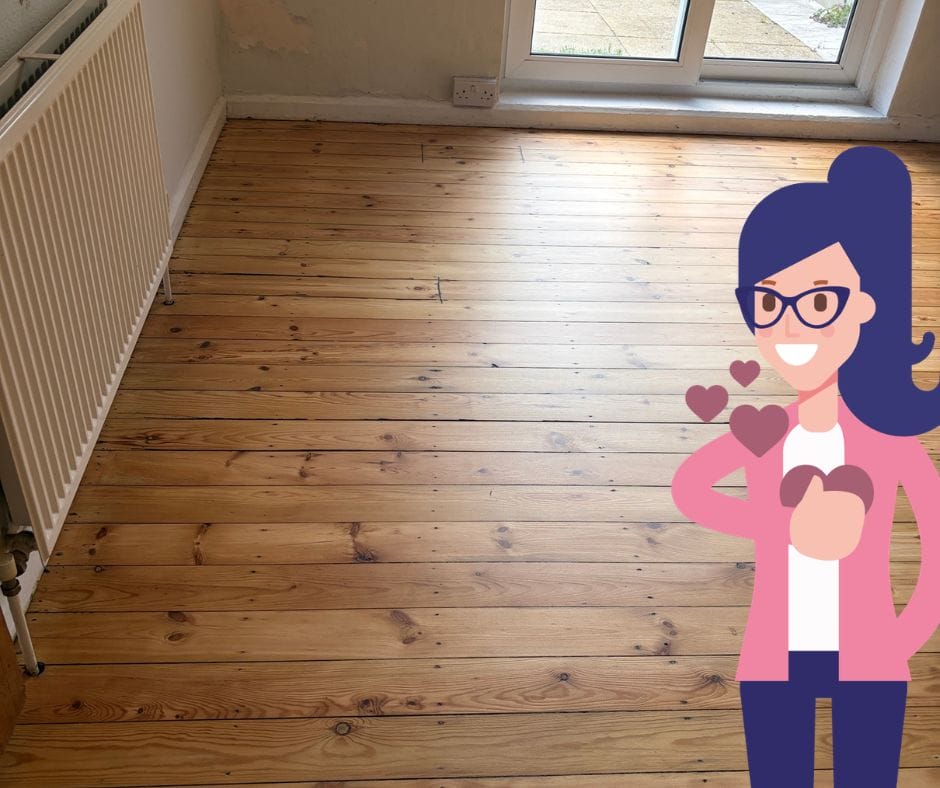
Solid wood, crafted hardwood and wood-look products have various care requirements. Even 2 hardwood floorings can require different items since their surfaces aren't the very same.
Apply the product as directed instead of assuming a stronger concentration will clean better. Too much cleaner can leave residue that makes the surface area appearance cloudy or attracts more dirt. Be careful with homemade cleansing mixtures. Components that seem mild can impact a surface over time. Vinegar is acidic, oil-based items can leave residue and abrasive powders can scratch the surface.

Evaluate any authorized cleaner in a little, inconspicuous area first if you doubt about how the finish will react. Water and hardwood flooring do not blend well when moisture is enabled to sit. Excess water can go into seams, impact the finish or contribute to swelling and staining. Use a lightly moistened mop instead of a soaking-wet one.
Evaluating Best Wood Floor Care Strategies
Operate in workable areas and clean up remaining wetness without delay. Prevent utilizing bleach, ammonia, abrasive scrubbers or other extreme items unless the flooring manufacturer particularly authorizes them. These cleaners can damage or dull certain surfaces. Steam cleaning also needs care. Steam presents heat and moisture into the flooring, consisting of along joints and seams.
Preventive care minimizes the quantity of cleaning and fix a wood flooring needs. Location mats at entryways to capture grit before it reaches the flooring.
Inspect the flooring maker's guidance before picking a carpet pad. Use a nonstaining pad suggested for the floor covering.
Why Deep Floor Care Matters for Value
Pads can use down or gather grit that scratches the flooring when furnishings relocations. Never drag heavy furniture throughout wood.
Dry the location entirely when completed. Pay close attention to spills near plank seams, along walls and underneath cabinets or devices. Moisture can gather in locations that aren't immediately visible. Sticky or dried spills might take more than one gentle cleaning. Withstand the urge to scrape the floor with a sharp tool or use a more powerful chemical.
If a spill leaves swelling, dark discoloration or a relentless smell, get in touch with a floor covering expert. Surface cleansing may not address moisture that has actually reached the wood or subfloor. Routine cleaning is likewise a possibility to examine the flooring. Look for changes in locations that get direct sunshine, regular foot traffic or repeated furniture movement.
Deep scratches that expose bare wood require more attention since the protective layer has actually been broken. Moving rugs and furniture occasionally can motivate more even color modifications, but owners ought to follow manufacturer guidance before putting or relocating floor coverings.
Regular care can safeguard hardwood, however it can't remedy every concern. A flooring expert ought to evaluate extensive finish loss, deep scratches, water damage, loose boards or substantial discoloration.
Professional Advice for Hardwood Protection
Some floors can be screened and recoated to revitalize the protective surface. Engineered hardwood can have limits on how much sanding it can tolerate, depending on the density of its real-wood wear layer.
Stains Coming Back After CleaningDo not wait until exposed wood or wetness damage spreads. The most efficient hardwood flooring care isn't complicated.

Latest Posts

Preserving Your Furniture from Dirt and Tear
Professional Vapor Extraction Versus Detergent Washing

Removing Deep-Set Pet Odors Effectively